The right varieties and conditions can lend a classic Canadian touch to any garden
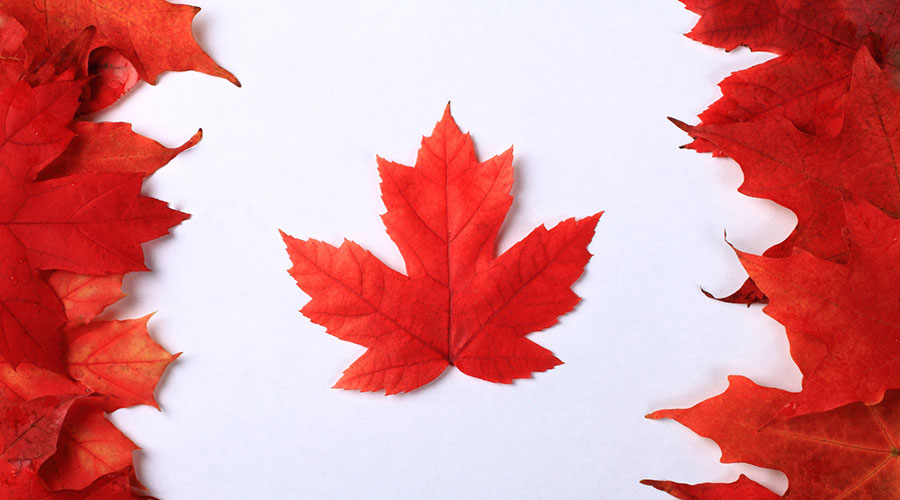
As far as symbols of unity and identity go, the maple leaf on our flag isn’t a bad choice.
There are 10 native maple species in Canada, points out NAIT grounds supervisor and horticulturalist Dan Tavenier. “Every province has at least one,” he says. As gardeners, however, “We haven’t got a whole lot to pick from on the Prairies.”
In Alberta, suitable varieties include the Manitoba maple (check your driveway – chances are good there’s at least one thriving in a crack in the concrete) and the Douglas maple, which Tavenier has seen near Mount Robson, in the Rocky Mountains.
While it’s not easy to grow anything that matches the flag – its leaf is modelled on the sugar maple of Eastern Canada – you can still spruce up the garden with some genuine Canadiana. All it takes is knowing the best maples to pick or, if you’re determined to show your pride by emulating our national symbol, patience and dedication. Just don’t expect the results to be red.
The bittersweet truth about sugar maples
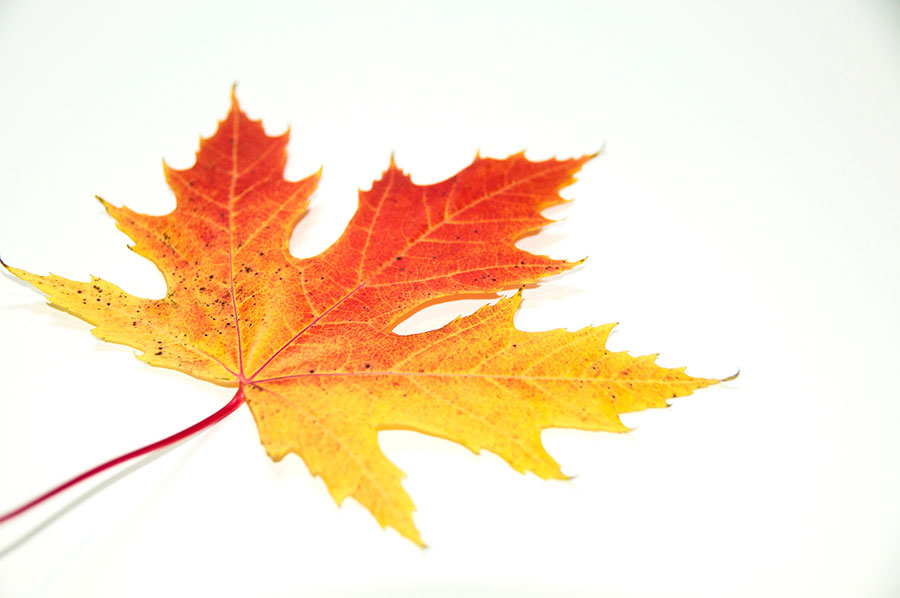 Tavenier doesn’t sugarcoat his opinion of Acer saccharum, the iconic, syrup-producing native of hardwood forests that stretch across Quebec and Ontario.
“I wouldn’t touch them,” he says. “They’re a non-starter here.” Their preference for moist, fertile soils make them a poor choice for relatively arid Prairie conditions.
But, if you want to get technical about it, as Tavenier often does, the sugar maple isn’t exactly emblematic of our national banner anyway. “Our flag has, what, 11 points? The sugar maple has 15 to 23 points.”
Great maples for Alberta
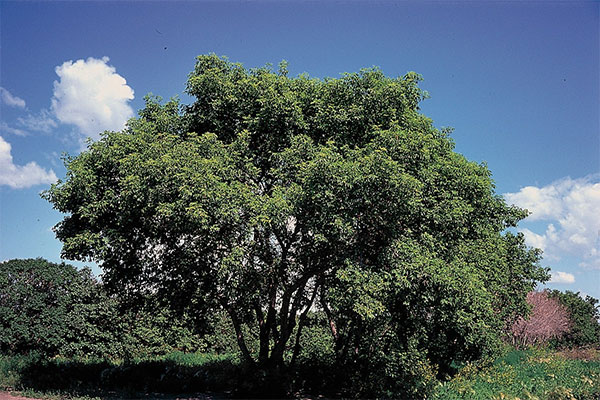 Manitoba maple (Acer negundo) – “They’re tough as nails,” says Tavenier. “Highly adapted to our area.” Also known as box elders (pictured nearby in full), these trees literally plant and take care of themselves, turning up almost anywhere as weedy interlopers. That said, horticulturalists see their versatility and hardiness as a virtue and consider them handsome if properly pruned.
Amur maple (Acer ginnala) – Though not native to Canada, the Amur maple’s Siberian origins make them a good fit for the Prairies, says Tavenier. Shrub or tree-form specimens are compact and dense, reaching a height and width of 12 to 20 feet (3.5 to 6 metres). Under the right growing conditions, “it generally colours up quite nicely in the fall.”
How to help maples thrive
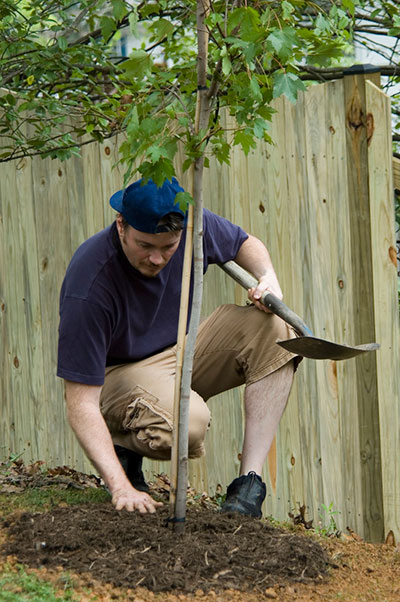 Still think it’d be nice to have one of the few eastern maples in town? It’s not impossible, says Tavenier, though a silver maple, which shares that classic leaf shape, is a better bet for hardiness. In any case, if you want to try, here’s what to do:
- Keep your expectations low. “You’re going to experience some dieback,” he says, meaning dead tips that will need pruning in spring. Tavenier would be surprised to see a silver maple grow more than 20 to 30 feet (six to nine metres) in Alberta.
- Baby them a little. Plant in a south-facing, sheltered location. Wrap the bark to prevent sunscald or damage from gnawing animals.
- Don’t baby them too much. Tough love is the key to survival. “If you were to plant that tree in a more organically rich, moist soil, you’d achieve considerably more dieback,” says Tavenier. The tree would have too much tender new growth going into winter. Once roots are established through early watering and fertilizing, let the tree adapt to natural conditions. Quit watering and fertilizing before August to stop and toughen up new growth.
- Water in the fall. Once the leaves drop and temperatures are just below zero, “nail it with a ton of water. It’s good to have it encased in ice over the winter. Once it thaws in the spring it’s got all the moisture it needs.” It’s a lousy job, Tavenier admits, but Alberta’s dry falls and springs make it necessary.
Approaching the idea of Canada
 Alberta’s climate is changing and winters are becoming milder. For the adventurous Prairie gardener, this opens up a warmer, wider world of possibility. It may also bring the classic maple leaf truly within reach.
“They are working on a series of crosses between Acer rubrum, a red maple from out east, and silver maple,” says Tavenier. “They’re borderline hardy [but] they’re worth trying.”
Depending on breeders’ progress, the classic maple leaf may one day not seem so out of place in Alberta. Who knows, with new varieties such as Autumn Blaze (Acer x freemanii) and its exceptional fall colour, it might even be red after all. “Hope springs eternal,” says Tavenier.