

NAIT alum, staff and students offer simple tips for sustainability
Reduce your environmental footprint in simple ways
Each year, April 22 offers the chance to pause and reflect on our relationship with the environment. What impact do our actions have? How might we reduce the footprint we leave?
How can we make every day Earth Day?
We put that question to NAIT instructors, staff and alumni and discovered that giving back to the planet in return for all it gives us isn't all that hard. Here are simple ways to green up our daily routines.
1. Start at home
There's no shortage of ways to make our homes more efficient, and to protect ourselves against spikes in electricty and natural gas prices. For ideas, check out the home of Les Wold (Applied Banking and Business ’92), managing partner at Effect Home Builders. It's a model in making a difference where you live, every day.
Check out the features of Les Wold's energy-efficient home
2. Eat locally

Chef and Culinary Arts instructor Dave Whitaker (Cooking ’83) likes to know where his food comes from. He also tries to make sure that’s not far away. In the summer, his source is Riverbend Gardens, in northwest Edmonton. As an example of community-supported agriculture, this family farm offers weekly packages of vegetables available for collection across the city.
“They use central pick up locations, so I can bike to pick up my hamper each week,” says Whitaker.
3. Fix a toilet

If you think your toilet leaks, there’s an easy test, says School of Construction and Building Sciences dean Matthew Lindberg (Plumber ’01). Put a few drops of food colouring in the reservoir and check the bowl about a half-hour later. If you see colour in the bowl, you’ll likely need to replace a part called the flapper. The water savings can be measured in litres per minute.
4. Plant trees and shrubs
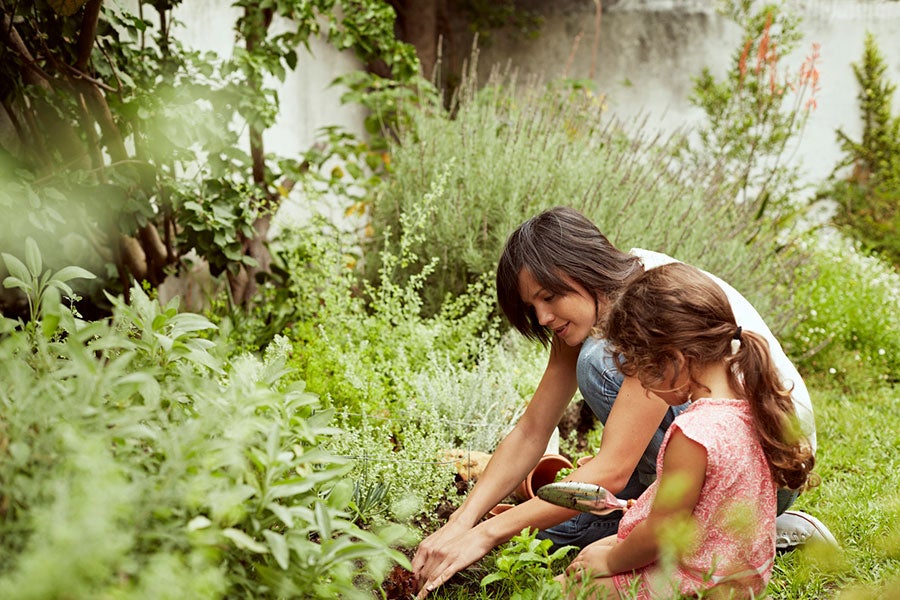
“Somewhere in the history of homeownership, the idea of a manicured, green lawn was perpetuated to the masses,” says Landscape Architectural Technology instructor Jennifer Jones (class of ’05). It doesn't have to be that way. Shrink your lawn to save water and cut fertilizer and weed control, she adds. Replant with native groundcovers and shrubs.
The best way to plant a tree, shrub or perennial
5. Reduce unrecyclable packaging
In 2023, Albertans purchased almost 15 million drink pouches, those convenient, single-serve containers made from aluminum and plastic. Of those collected in Alberta, none are recycled. While NAIT Applied Research staff work toward a solution in partnership with the Alberta Beverage Container Recycling Corporation, why not consider cutting down on usage?
Check out the applied research project
6. Pitch in by picking up

Volunteer a few hours of your time with a local environmental organization, suggests Michelle Holland (Biological Sciences Technology - Renewable Resources '11), an environmental educator with the Canadian Wildlife Federation. Simple projects are easy to find. "Litter pick-ups are an easy way to keep the ball rolling throughout the year," says Holland. Look for them on social media.
Learn more about Michelle Holland's work as an environmental educator
7. Use less peat moss
Peatlands are among the world's most precious carbon sinks but we're digging them up an alarming rate. A NAIT Applied Research project is investigaing an alternative, in partnership with Plantae Technologies and the Metis Settlements Development Corporation. While work progesses, consider keeping more peat where it belongs during your next visit to your favourite garden centre.
Learn more about how NAIT is contributing to the search for a peat moss alternative
8. Inflate your tires

Maximizing vehicle efficiency may be simpler than we think, suggests Automotive Service Technician instructor Dan Brochu (class of ’81, Bachelor of Business Administration ’16) “Keep your tires inflated and follow your maintenance guide in the owner’s manual.” Fill your tires to the pressure recommended on that paper stuck to the driver-side door to boost fuel economy.
7 more tips for improving your fuel efficiency
9. Coexist with coyotes
Coyotes are clever creatures that want the same things as humans: a ready supply of food and space they can call their own. For their safety and ours, it's good to learn to share space by following the advice of wildlife expert Jade Murphy (Biological Sciences Technology '16).
Learn how to coexist with coyotes
10. Prevent a wildfire
Most wildfires are caused by people, which means many can be prevented by simple measures, as suggested by a Forest Technology instructor:
- Put out your fire. Especially in spring, nearby dead grass can burn easily and quickly. And always mind the fire bans.
- Be careful with your ATV. If organic matter builds up around the muffler, a spark can lead to a fire.
- Use an ashtray. Cigarettes are a common cause of wildfires, including a 2017 blaze near Airdrie.
Learn more ways to protect Alberta against wildfires
11. Inspire future generations
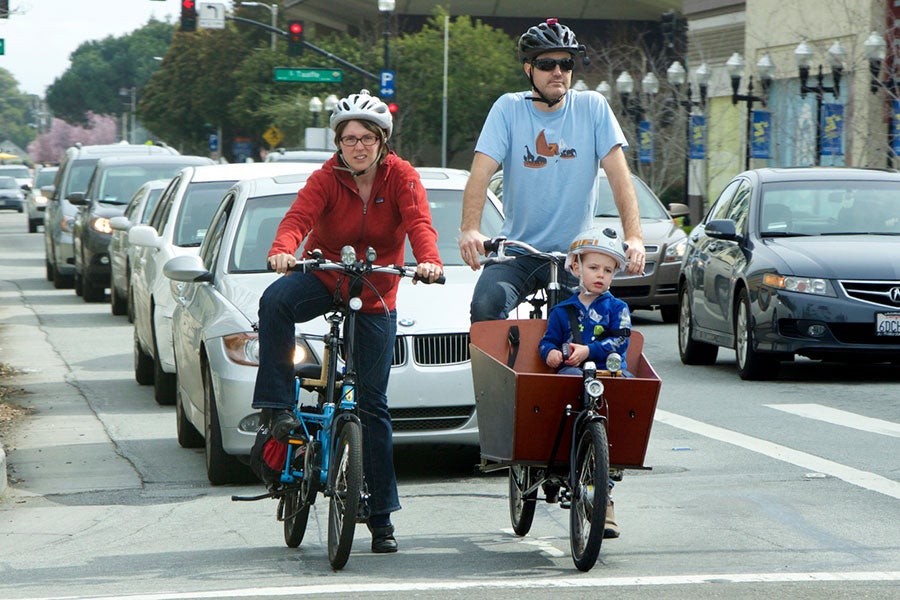
“With sustainability, we forget who’s watching,” says Kate Andrews, Personal Fitness Trainer chair.
“If you want to be really sustainable, you have to model the way. If you want your kids to walk to the grocery store even when it’s cold, bundle everyone up and do it. They’re going to do it when they’re older. And they’ll do it with their kids. When we think about sustainability, it’s not just in the moment. It’s planning for the future.”
Northern Alberta Institute of Technology
Mailing Address:
11762 - 106 Street
Edmonton, AB, Canada, T5G 2R1
At NAIT, we honour and acknowledge that the land on which we learn, work and live is Treaty Six territory. We seek to learn from history and the lessons that have come before us, and to draw on the wisdom of the First Peoples in Canada. Only through learning can we move forward in truth and reconciliation, and to a better future together. Read more
About techlifetoday
Techlifetoday is the source for NAIT alumni and students to discover news about the polytechnic, and insights, advice and inspiration from the NAIT community to help them build successful careers and lead fulfilling lives.
