
Dental Assisting instructor offers tips for promoting oral hygiene for kids
We don’t want to alarm you, but there are probably “sugar bugs” on your teeth right now.
That probably didn’t send you dashing off to brush. But Sherry Sand’s cartoonish metaphor may work on your kids, who don’t care that “the biofilm on your teeth feeds on sugar and creates the acids that cause decay” – which is what the Dental Assisting instructor would tell her students.
For kids, “brushing is a chore,” says Sand (Dental Assisting ’85). “You want to make it fun.”
Here are her tips for motivating young children to develop habits that keep those sugar bugs away, maintain healthy teeth, and make visits for cleanings easier.
Book an affordable NAIT teeth cleaning appointment for kids
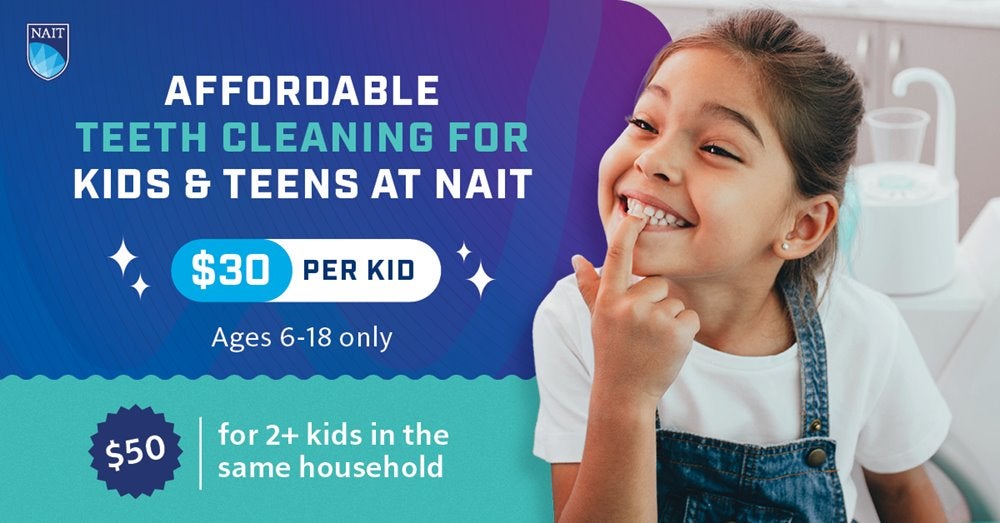
Throughout May, NAIT is offering teeth cleaning for kids six to 18 years old.
Services are provided by Dental Assisting program students in support of hands-on learning. They’re supervised by instructors during sessions.
Teeth cleaning and fluoride applications cost $30 per child or $50 per family for two or more kids in the same household. Make appointments by calling 780-471-7786 or book online.
Be part of the routine

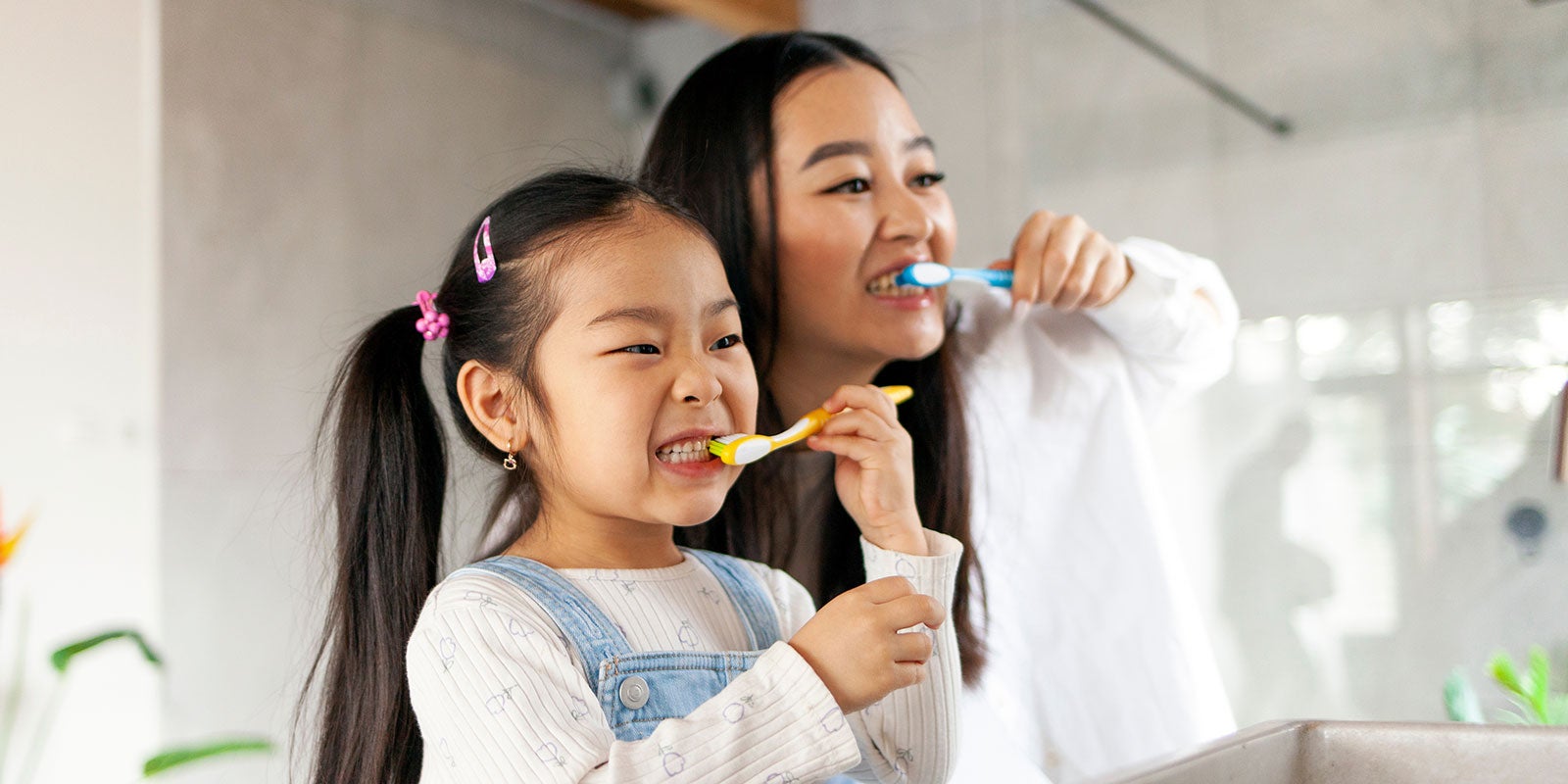
“Start at an early age and get [kids] accustomed to the habit of brushing their teeth,” says Sand. Build a brushing routine right after the first tooth erupts.
That routine should involve morning and evening sessions – for everyone. Rather than just supervise brushing, join in. Everyday, twice a day, “we all go to the bathroom and brush our teeth together,” says Sand.
Give kids a choice
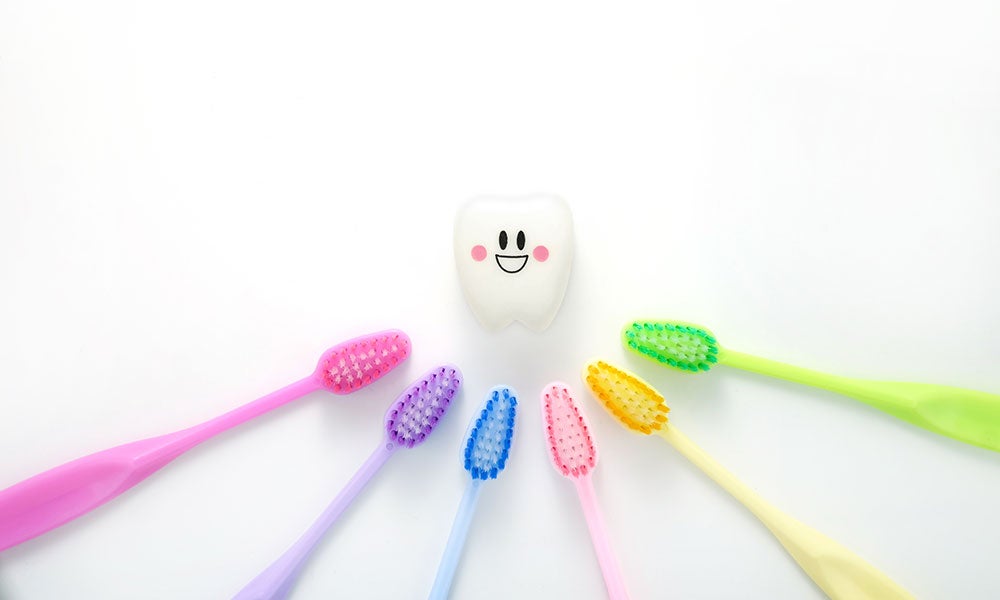
Brushing teeth is non-negotiable but kids can still make decisions about parts of the job.
“It’s important that the child has some ownership,” says Sand. Let them pick their own colour of toothbrush and flavour of toothpaste.
Use the right tools
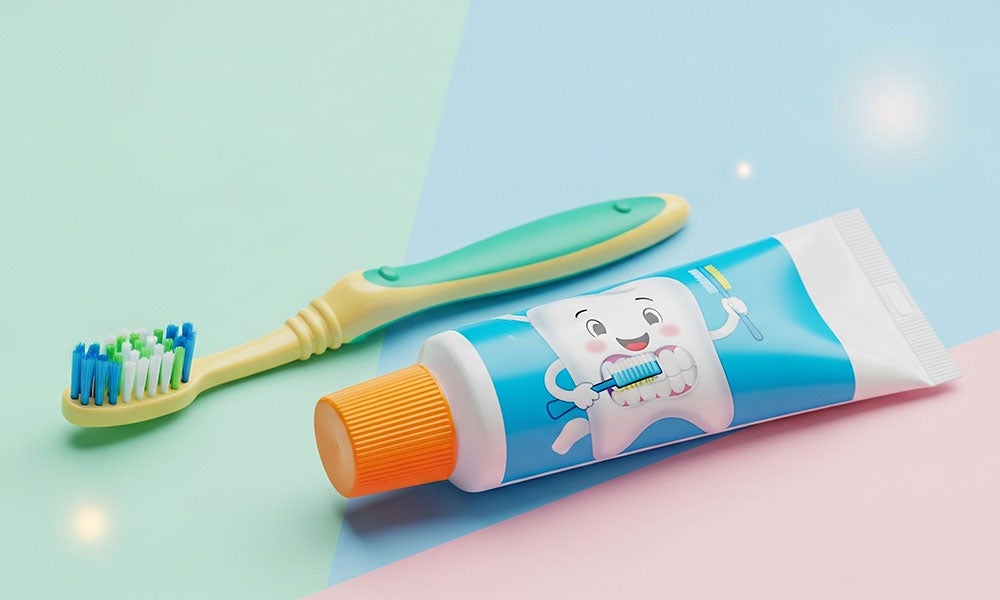
Your input, however, is still necessary. Colour and flavour are secondary considerations to technical aspects of the tools.
“A soft-bristle brush is best,” says Sand. Stiffer brushes can damage gums and teeth. Also, pick a kid’s model, with a smaller head.
Consider fluoride-free toothpaste if you live in an area with fluoridated water, says Sand, as kids shouldn’t ingest that mineral in concentrated form. In any case, an amount the size of a grain of rice will do for kids under three years old. After that, increase to the size of half a pea until about six years old. Older kids should work with a whole pea’s worth, says Sand.
Floss to prevent loss

“If two teeth are touching, the brush can only do the outer surfaces,” says Sand. “To clean in between, flossing is the only way.”
Don’t expect a toddler to wield a wispy length of floss as easily as they might a toothbrush. Instead, offer pre-threaded floss picks, which Sand says most kids can manage with supervision and help.
Add flossing to the evening session, removing tough-to-reach biofilm before bedtime. “That's where the hidden ‘sugar bugs’ are,” says Sand, “A lot of cavities form in that area.”
Have fun with it
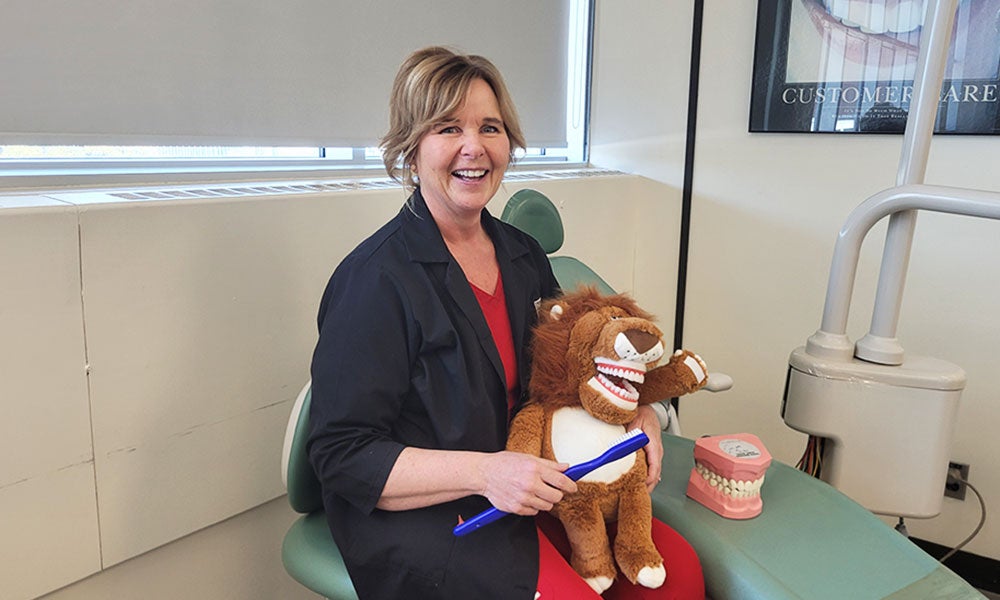
You have a reliable routine and the right tools; now add the fun.
“You could turn brushing into a game,” says Sand. “[Technology] is what a lot of children are used to – why not use it to your advantage?”
Many apps exist for this purpose, Sand points out. Prop up the phone on the bathroom counter and open a favourite one to encourage proper technique and keep kids cleaning for the recommended two minutes.
Think of the future

Kids’ teeth are just as important as adult ones, says Sand. “If we’re not taking care of [them], they can decay and cause the child a lot of discomfort.”
Those little teeth are also placeholders for big ones, she adds. If spaces aren’t kept for adult teeth to eventually move into, issues such as crowding can happen, leading to orthodontic problems.
Your kid, of course, isn’t thinking about that. For now, the key is to focus on ways to stay united in the battle against that most fearsome of foes, the sugar bug, which at times may seem more epic than necessary.
“There will be some pushback,” says Sand, but “it is really important to maintain children’s teeth.”
If you enjoyed that article, try these:
Northern Alberta Institute of Technology
Mailing Address:
11762 - 106 Street
Edmonton, AB, Canada, T5G 2R1
At NAIT, we honour and acknowledge that the land on which we learn, work and live is Treaty Six territory. We seek to learn from history and the lessons that have come before us, and to draw on the wisdom of the First Peoples in Canada. Only through learning can we move forward in truth and reconciliation, and to a better future together. Read more
About techlifetoday
Techlifetoday is the source for NAIT alumni and students to discover news about the polytechnic, and insights, advice and inspiration from the NAIT community to help them build successful careers and lead fulfilling lives.
