
Tips we hope you never need (but might save your life)
Keep calm and just sit down for a minute
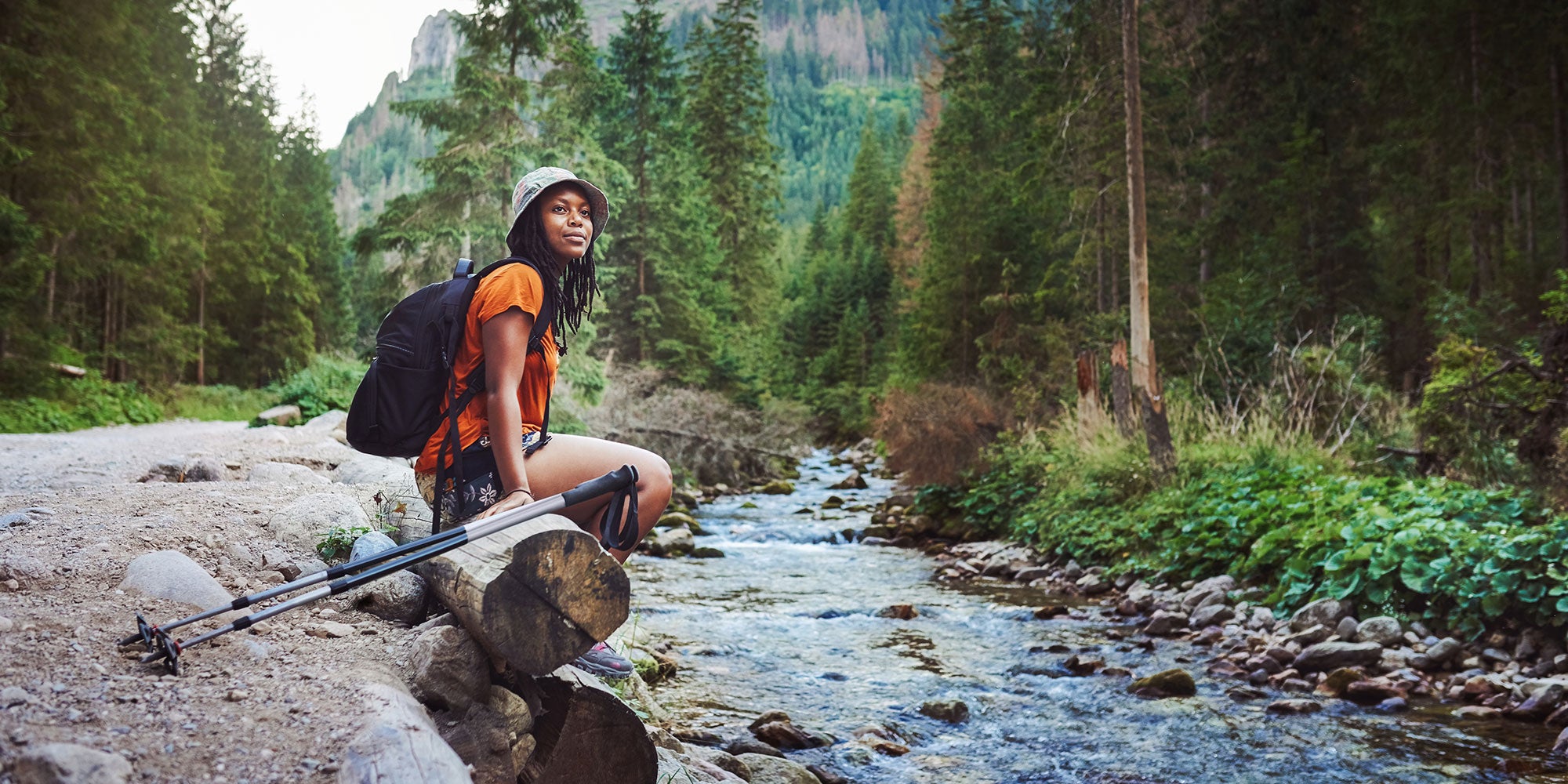
No one plans to get lost when they head into the great outdoors. But if you’ve accidentally strayed from your hiking route, preparation and the ability to stay calm are vital to surviving when you’re lost in the wilderness, says Forest Technology instructor Chris Klitbo.
“Don’t panic,” he says. “It’s about keeping your brain in the right spot to help think your way out of this problem.”
In some cases, you could be on your own for a few days. Here, Klitbo shares his strategies to increase your chances of being found.
Share your plans
Let someone know where you’re going and when you’ll be back. If you deviate from your plan, make sure you contact someone before you proceed so rescuers will know where to look if you don’t return.

S-T-O-P
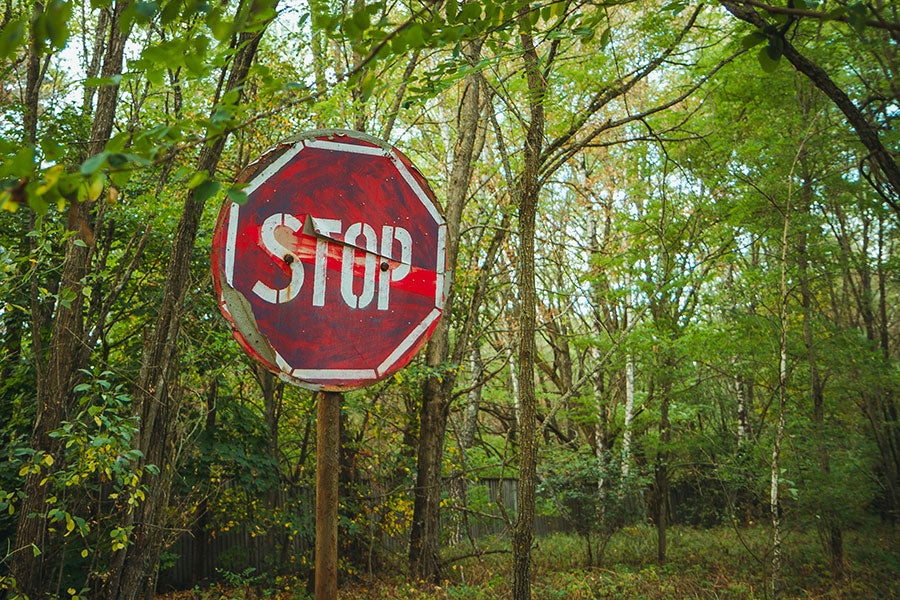
Follow this acronym to help increase your chance of survival, advises Klitbo.
- Stop moving: Stay in a safe, visible position.
- Think: Can you retrace your steps? If not, should you start considering what you need to do if you're going to stay put?
- Orient yourself: Look for landmarks. Make sure you’re in a safe place, and not near a ledge, for example.
- Plan: With your basic needs taken care of, such as making a shelter, building a fire, finding water and assessing your food supplies, what will you do next?
Shelter
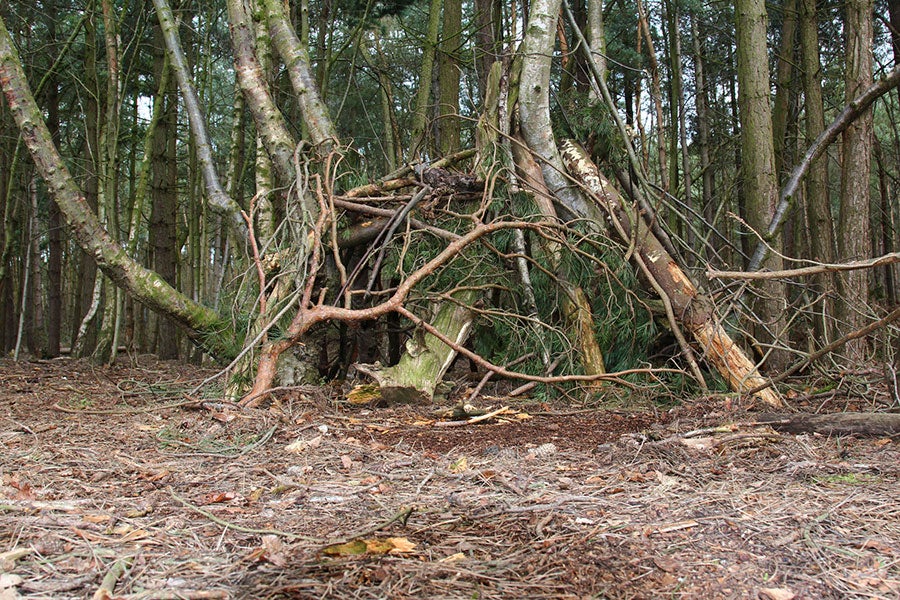
Stay or get dry, and preserve heat. A survival blanket that fits in your pocket, heavy-duty orange garbage bag or small tarp will work as a temporary shelter.
If you're caught without, ward off the elements by covering yourself in dry boughs or leaves. Hypothermia, when you lose body heat faster than you can produce it, is often overlooked as a threat that can lead to death. Cold ground, water or wind will conduct heat away from you.
Building a shelter can also help keep your mind busy. “A shelter gives you something to do and provides a place of comfort.”
Fire
If you’re wet or cold, this is a potential lifesaver. Always have a lighter. Fire starters, such as flint and steel are fine but make sure you’re competent with these techniques before packing such items. “The first time you use it better not be the time you need it,” says Klitbo.
Water
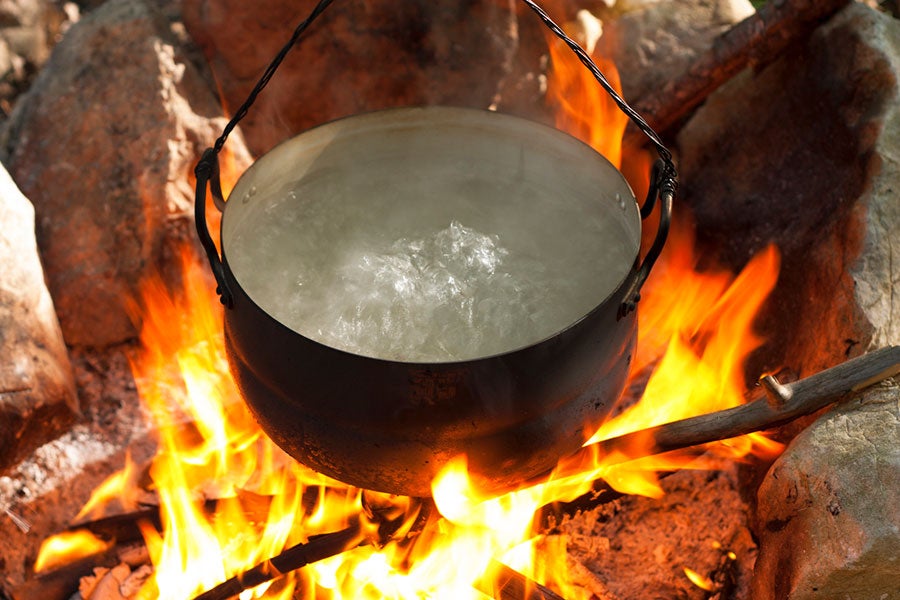
A person can die within days from dehydration, says Klitbo. Water from creeks or other sources should be good to drink when it’s come to a full boil for three minutes. Use a metal water bottle for a pot.
Food

Pack extra non-perishable snacks, such as granola bars. No food? Most people can go several days without it. Don’t expend more calories searching for food than you might gain from it. You don’t want to get hurt or more lost searching for food. Avoid berries and mushrooms unless you’re positive they’re safe.
“Don’t be afraid to eat bugs,” says Klitbo. “That big ugly beetle or grub you’ll find will taste awful but there’s a reason grizzly bears do it.”
Packing essentials
Never be without survival gear when you head into the wilderness, says Forest Technology instructor Chris Klitbo. The following items are lightweight, affordable and compact:
- A trail map and compass
- Proper clothing, including a tuque and lightweight, water-resistant jacket. Plan for wet weather or an unexpected overnight stay
- First aid kit
- A lighter. If you’re in a boat, slip a lighter into a waterproof container that clips onto your life jacket. If you’re on foot, put one in your pocket. Carry another in your pack
- Fire starter such as fire paste, fire sticks, dryer lint or cotton balls
- Metal water bottle to boil water
- Non-perishable food, such as granola bars
- Cellphone, if the area has coverage
- Knife
- Rope, 20-30 metres. Paracord is best. Stronger than nylon, it’s extremely versatile and can be used in many different ways, such as securing items or when building a shelter. It can be found at most outdoors stores
- A whistle. Three blasts is the universal call for help
- Survival blanket
- Signaling mirror
- Bug spray
Northern Alberta Institute of Technology
Mailing Address:
11762 - 106 Street
Edmonton, AB, Canada, T5G 2R1
At NAIT, we honour and acknowledge that the land on which we learn, work and live is Treaty Six territory. We seek to learn from history and the lessons that have come before us, and to draw on the wisdom of the First Peoples in Canada. Only through learning can we move forward in truth and reconciliation, and to a better future together. Read more
About techlifetoday
Techlifetoday is the source for NAIT alumni and students to discover news about the polytechnic, and insights, advice and inspiration from the NAIT community to help them build successful careers and lead fulfilling lives.
